
MotoGP ECU tuners are the unsung heroes behind the blistering speeds and breathtaking maneuvers of MotoGP racing. These highly specialized individuals possess an intricate understanding of engine control units (ECUs), leveraging advanced software and hardware to optimize motorcycle performance. They meticulously analyze data, fine-tuning parameters to extract maximum power and efficiency from the sophisticated engines, contributing significantly to a rider’s success on the track.
This intricate dance of technology and expertise is crucial for competitive advantage in the demanding world of MotoGP.
The process involves extensive data logging, analysis of engine performance across various track conditions, and iterative adjustments to the ECU mapping. Tuners work closely with riders and engineers to achieve the perfect balance between power, handling, and fuel efficiency. The slightest alteration can significantly impact lap times, highlighting the precision and skill required in this demanding field. Furthermore, understanding the intricacies of the regulations governing ECU modifications is paramount for maintaining fair competition.
The roar of the engines, the smell of burning rubber, the breathtaking speeds – MotoGP is a spectacle of precision and power. Behind the thrilling races and the celebrated riders lies a critical element often overlooked by casual viewers: the MotoGP ECU tuner. This individual, or team, plays a pivotal role in optimizing the motorcycle’s performance, pushing the boundaries of engineering and strategy to secure victory.
This article delves into the intricate world of MotoGP ECU tuning, exploring its complexities, the skills required, and the impact it has on the outcome of every race.
Understanding the MotoGP ECU: The Brain of the Beast
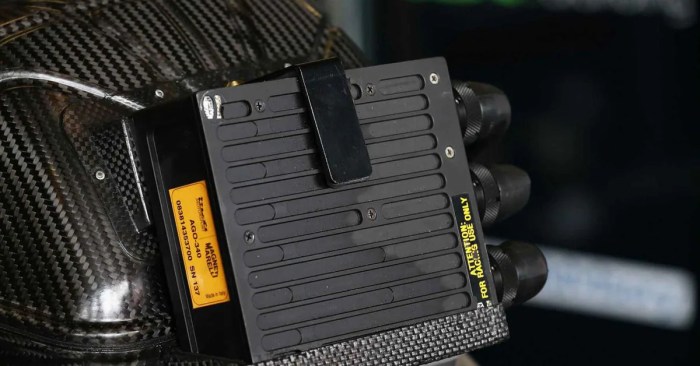
Before diving into the role of the tuner, it’s crucial to understand the Electronic Control Unit (ECU). The ECU is essentially the central processing unit of a MotoGP motorcycle, managing a vast array of functions that directly influence performance. It controls everything from fuel injection and ignition timing to traction control, launch control, and even the sophisticated anti-wheelie systems.
The data it processes comes from a network of sensors monitoring various aspects of the bike’s operation, allowing for real-time adjustments and optimizations.
Key Functions Controlled by the MotoGP ECU:
- Fuel Injection: Precisely controlling the amount and timing of fuel delivery to each cylinder for optimal combustion.
- Ignition Timing: Determining the precise moment the spark plug ignites the air-fuel mixture for maximum power and efficiency.
- Throttle Control: Managing the engine’s response to throttle input, crucial for smooth power delivery and rider control.
- Traction Control: Preventing wheel spin by reducing engine power or cutting ignition when excessive wheel slip is detected.
- Anti-Wheelie Control: Minimizing wheelies by adjusting engine power and braking based on sensor data.
- Launch Control: Optimizing the start of the race by managing engine speed and throttle for maximum acceleration.
- Engine Braking Control: Managing engine braking to improve stability and control during braking and cornering.
- Data Acquisition: Collecting and storing vast amounts of data from various sensors for analysis and optimization.
The Role of the MotoGP ECU Tuner: A Master of Data and Strategy
The MotoGP ECU tuner is responsible for configuring and optimizing the ECU’s settings to extract maximum performance from the motorcycle. This isn’t a simple task; it requires a deep understanding of engine mechanics, electronics, data analysis, and the specific demands of the MotoGP racing environment. The tuner works closely with the rider, engineers, and data analysts to develop a winning strategy tailored to each track and weather condition.
Key Responsibilities of a MotoGP ECU Tuner:
- Data Analysis: Analyzing vast amounts of telemetry data collected during practice sessions and races to identify areas for improvement.
- ECU Mapping: Creating and modifying ECU maps – essentially, software programs that dictate the ECU’s behavior – to optimize performance based on track characteristics, weather conditions, and rider feedback.
- Strategy Development: Collaborating with the team to develop race strategies that take into account tire wear, fuel consumption, and the performance of competitors.
- Rider Feedback Integration: Working closely with the rider to understand their needs and preferences, translating their feedback into ECU adjustments.
- Troubleshooting and Problem Solving: Identifying and resolving issues with the motorcycle’s performance, often under immense pressure.
- Software Updates and Maintenance: Staying up-to-date with the latest ECU software and hardware, ensuring optimal functionality.
Tools and Technologies Used by MotoGP ECU Tuners:
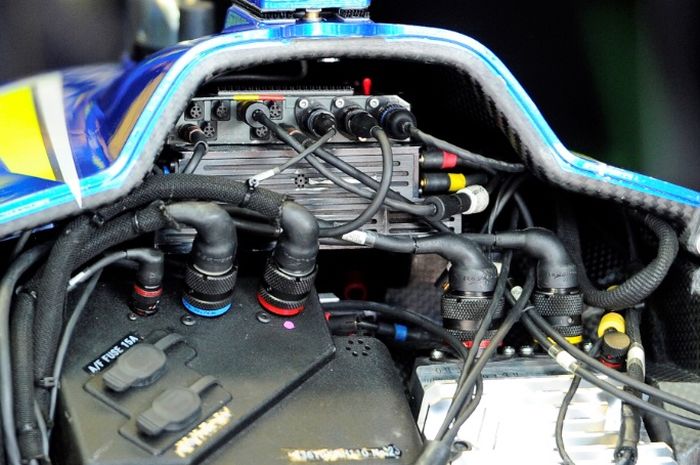
Modern MotoGP ECU tuning relies heavily on sophisticated software and hardware. Data acquisition systems collect a massive amount of information, which is then analyzed using specialized software. Tuners use sophisticated simulation tools to predict the effects of ECU changes before implementing them on the track. This allows for a more efficient and effective tuning process.
Essential Tools and Technologies:, MotoGP ECU tuner
- Data Acquisition Systems (DAS): These systems collect data from various sensors throughout the motorcycle, providing a detailed picture of its performance.
- ECU Programming Software: Specialized software allows tuners to create, modify, and upload ECU maps.
- Telemetry Analysis Software: Software used to analyze the vast amounts of data collected by the DAS, identifying areas for improvement.
- Simulation Software: Allows tuners to simulate the effects of ECU changes before implementing them on the track.
- Lap Time Analysis Tools: Software used to analyze lap times and identify areas where improvements can be made.
The Impact of ECU Tuning on MotoGP Performance:
The impact of skilled ECU tuning on MotoGP performance is undeniable. Even small adjustments to the ECU map can significantly affect lap times and overall race results. A well-tuned ECU can optimize engine power, improve traction, enhance stability, and reduce fuel consumption, giving riders a crucial competitive edge. In the highly competitive world of MotoGP, even fractions of a second can make the difference between victory and defeat.
Frequently Asked Questions (FAQ)
- Q: What qualifications are needed to become a MotoGP ECU tuner? A: Typically, a background in mechanical engineering, electrical engineering, or a related field is required. Extensive experience in motorsport and a deep understanding of ECU technology are also essential.
- Q: How much does a MotoGP ECU tuner earn? A: Salaries vary widely depending on experience and team, but they are typically very high, reflecting the crucial role they play.
- Q: Can anyone learn to be a MotoGP ECU tuner? A: While the fundamentals can be learned, becoming a top-level MotoGP ECU tuner requires years of experience, dedication, and a natural aptitude for problem-solving and data analysis.
- Q: What software do MotoGP ECU tuners use? A: The specific software used varies depending on the manufacturer of the ECU, but generally involves proprietary software developed by the ECU manufacturer and specialized data analysis tools.
- Q: How much does an ECU cost? A: The cost of a MotoGP ECU is extremely high, reflecting the advanced technology and precision engineering involved. It is not typically a publicly released price.
Conclusion: The Unsung Heroes of MotoGP
The MotoGP ECU tuner is a crucial figure behind the success of any racing team. Their expertise in data analysis, ECU programming, and strategy development plays a pivotal role in determining the outcome of every race. Their work is often unseen by the casual viewer, but their contribution to the thrilling spectacle of MotoGP is undeniable. The next time you watch a MotoGP race, remember the unsung heroes working tirelessly behind the scenes to push the boundaries of performance and technology.
References:
- MotoGP Official Website
- [Add other relevant links to technical resources on ECU tuning and motorsport engineering]
Call to Action: Want to learn more about the fascinating world of motorsport engineering? Explore our resources and discover the cutting-edge technologies driving the future of racing!
Questions and Answers
What software do MotoGP ECU tuners typically use?
Specialized software packages, often proprietary and tailored to specific ECU manufacturers, are used. These programs allow for detailed control over various engine parameters.
How much experience is needed to become a MotoGP ECU tuner?
Extensive experience in engine management, data analysis, and ideally a background in mechanical engineering or a related field is crucial. Years of experience working in motorsports are typically required.
What are the ethical considerations for MotoGP ECU tuners?
Adherence to racing regulations regarding ECU modifications is paramount. Maintaining fairness and ethical practices within the sport is critical.