
MotoGP engine components represent the pinnacle of motorcycle engineering, a fascinating blend of power, precision, and cutting-edge technology. These meticulously crafted parts, working in perfect harmony, allow riders to achieve breathtaking speeds and execute daring maneuvers on the track. Understanding their function and design offers a glimpse into the intense competition and relentless innovation driving the sport.
From the intricate internal combustion engine itself to the sophisticated electronics managing fuel injection and ignition, each component plays a crucial role in determining a rider’s success. The materials used, the manufacturing processes, and the constant quest for optimization are all key elements in the story of MotoGP engine performance. This exploration delves into the heart of these high-performance machines, revealing the complexities and brilliance behind their design.
The roar of a MotoGP engine, the breathtaking speeds, the nail-biting races – it all hinges on a marvel of engineering: the internal combustion engine. These aren’t your average engines; they are highly specialized, pushing the boundaries of performance and technology. This article provides a detailed and comprehensive exploration of the key components that make these powerhouses tick, focusing on their design, function, and the innovative technologies employed.
The Engine’s Core: Cylinder Head and Block
The foundation of any MotoGP engine lies in its cylinder head and block. These components house the heart of the engine, the cylinders where combustion takes place. Let’s delve deeper:
Cylinder Head: The Brains of the Operation
- Valvetrain: This system, comprising camshafts, valves (intake and exhaust), and valve springs, controls the precise flow of air and fuel into the cylinder and the expulsion of exhaust gases. MotoGP engines typically employ sophisticated pneumatic valve systems for optimal performance and reliability at extreme RPMs. The materials used are often titanium or exotic alloys for lightweight strength.
- Combustion Chamber: This is where the magic happens. The carefully designed shape of the combustion chamber optimizes the mixing of air and fuel for efficient and powerful combustion. The design is crucial for maximizing power output and minimizing emissions.
- Spark Plugs: These components ignite the air-fuel mixture, initiating the combustion process. High-performance spark plugs, capable of withstanding extreme temperatures and pressures, are essential.
Cylinder Block: The Sturdy Foundation
- Cylinders: These precisely bored holes house the pistons. Materials are carefully chosen for durability and heat resistance, often utilizing lightweight alloys such as aluminum or magnesium.
- Crankshaft: This vital component converts the reciprocating motion of the pistons into rotational motion, powering the rear wheel. Crankshafts in MotoGP engines are incredibly strong and precisely balanced to handle the extreme forces involved.
- Connecting Rods: These link the pistons to the crankshaft, transferring the power generated during combustion.
- Oil System: A sophisticated lubrication system is crucial for maintaining the engine’s health under intense stress. This system includes oil pumps, filters, and galleries to ensure all moving parts are adequately lubricated.
Fuel Delivery and Ignition: Precision and Power
The precise delivery of fuel and the timing of ignition are critical for optimal engine performance. MotoGP engines utilize advanced systems to achieve this:
Fuel Injection System: Precise Fuel Metering
Modern MotoGP engines employ sophisticated electronic fuel injection systems. These systems precisely meter the fuel delivered to each cylinder based on various parameters, including engine speed, throttle position, and air pressure. This ensures optimal combustion and maximizes power output. Different fuel injection strategies, like direct injection, are employed to further optimize performance.
Ignition System: Precise Timing is Key, MotoGP engine components
The ignition system ensures the air-fuel mixture is ignited at the precise moment for optimal combustion. Advanced electronic control units (ECUs) manage the ignition timing, optimizing it based on various engine parameters. This precise control is vital for maximizing power and efficiency.
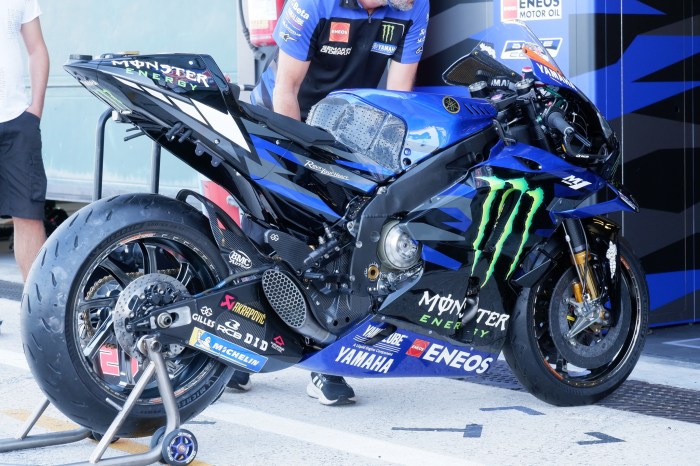
Exhaust System: Managing the Waste, Boosting Performance: MotoGP Engine Components
The exhaust system plays a crucial role beyond simply expelling burnt gases. In MotoGP, it’s meticulously designed to enhance performance:
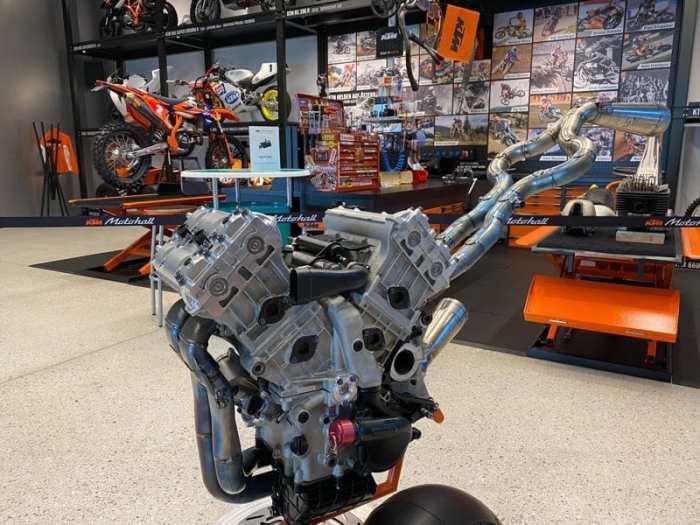
- Exhaust Headers: These pipes collect exhaust gases from each cylinder, carefully designed to optimize gas flow and reduce back pressure. The design significantly impacts engine performance.
- Exhaust Muffler: While it reduces noise, the muffler also plays a role in tuning the exhaust system’s pressure waves to enhance engine performance. The design is a balance between noise reduction and performance optimization.
Engine Management System: The Brain of the Beast
The engine management system (EMS), also known as the ECU (Electronic Control Unit), is the brains of the operation. It controls virtually every aspect of the engine’s function, constantly monitoring and adjusting parameters to optimize performance:
- Fuel Injection Control: The ECU precisely controls the amount and timing of fuel injection.
- Ignition Timing Control: The ECU manages the precise timing of the spark plugs for optimal combustion.
- Throttle Control: In some systems, the ECU even controls the throttle, providing rider aids like traction control.
- Data Acquisition: The ECU constantly monitors various engine parameters and transmits data for analysis and tuning.
Materials Science: Lightweighting and Strength
The relentless pursuit of performance in MotoGP necessitates the use of advanced materials. Lightweighting is paramount, but strength and durability are equally critical. Common materials include:
- Titanium Alloys: Used extensively in valve trains and other high-stress components for their strength-to-weight ratio.
- Magnesium Alloys: Used in engine casings and other components for their lightweight properties.
- Carbon Fiber Composites: Increasingly used in various components for their high strength and low weight.
- Aluminum Alloys: A common material for engine blocks and other structural components.
Frequently Asked Questions (FAQ)
- Q: What type of engine is used in MotoGP? A: MotoGP bikes primarily use inline four-cylinder engines, although other configurations have been used in the past.
- Q: What is the horsepower of a MotoGP engine? A: MotoGP engines produce over 260 horsepower, with some estimates exceeding 280 hp. Exact figures vary between manufacturers and engine specifications.
- Q: How often are MotoGP engines rebuilt? A: Engines are typically rebuilt after several races or a certain number of running hours, depending on the level of wear and tear.
- Q: What is the role of seamless shift technology in MotoGP? A: Seamless shift technology allows for faster and smoother gear changes, improving acceleration and lap times. It minimizes power interruption during gear changes.
- Q: How much does a MotoGP engine cost? A: The cost of a MotoGP engine is highly confidential and varies significantly depending on the manufacturer and the level of customisation. It is certainly in the hundreds of thousands of dollars.
References
- MotoGP Official Website
- Wikipedia – MotoGP
- (Add other relevant and credible sources here)
Call to Action
Want to learn more about the intricate world of MotoGP technology? Subscribe to our newsletter for the latest updates and in-depth articles on motorcycle racing engineering!
User Queries
What materials are commonly used in MotoGP engine components?
High-strength alloys like titanium, magnesium, and carbon fiber are frequently used due to their lightweight yet durable properties.
How often are MotoGP engines rebuilt or replaced?
Engines are often significantly rebuilt or even replaced after several races, depending on the level of wear and tear and the team’s strategy.
What role does electronics play in a MotoGP engine?
Sophisticated electronics control fuel injection, ignition timing, and other critical functions, optimizing engine performance in real-time.