
MotoGP exhaust systems are far more than just pipes; they are meticulously engineered components crucial to a motorcycle’s performance. These systems, subjected to intense research and development, represent a fascinating blend of technology and artistry, directly impacting power output, engine responsiveness, and even the distinctive sound of these high-performance machines. Understanding their intricacies reveals a world of innovation and precision.
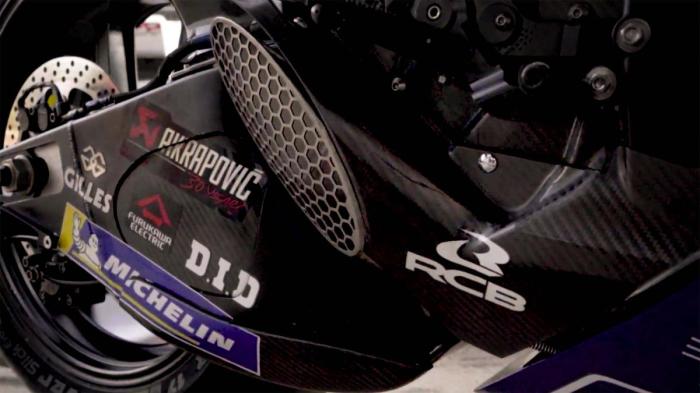
From the materials used—often exotic alloys designed for extreme heat and pressure—to the intricate internal designs that manipulate exhaust gas flow, every aspect is optimized for peak performance. The quest for marginal gains drives continuous innovation, pushing the boundaries of what’s possible in motorcycle engineering. This pursuit of perfection results in systems that are not only incredibly effective but also visually striking, reflecting the cutting-edge technology at the heart of MotoGP racing.
The roar of a MotoGP bike is as iconic as the sport itself. A significant contributor to this thrilling sound, and a crucial element of the bike’s performance, is the exhaust system. Far from a simple pipe, the MotoGP exhaust is a marvel of engineering, meticulously designed to optimize power, reduce weight, and enhance performance in every aspect.
This article will delve into the intricate details of this critical component, exploring its design, materials, technology, and impact on the overall performance of a MotoGP machine.
The Fundamentals of a MotoGP Exhaust System
At its core, a MotoGP exhaust system’s primary function is to expel burnt gases from the engine’s combustion chambers. However, the design goes far beyond this basic function. It’s a carefully engineered system designed to manage several key aspects:
- Gas Flow Optimization: The exhaust system’s design directly impacts the engine’s breathing. Smooth, efficient gas expulsion is crucial for maximizing power output. This involves carefully considering pipe diameter, length, and the placement of expansion chambers and resonators.
- Back Pressure Management: While complete elimination of back pressure is undesirable, careful management is key. Too much back pressure hinders engine performance, while too little can negatively affect scavenging (the process of clearing out exhaust gases from the cylinder). MotoGP engineers strive for the optimal balance.
- Power Enhancement: The exhaust system doesn’t just remove gases; it actively contributes to power generation. By using carefully designed expansion chambers and resonators, the system can create pressure waves that enhance scavenging and improve engine efficiency at specific RPM ranges.
- Weight Reduction: Every gram counts in MotoGP. Exhaust systems are constructed using lightweight materials like titanium and carbon fiber to minimize weight and improve the bike’s handling and agility.
- Sound Management: While the powerful sound is part of the MotoGP experience, regulations exist to limit noise levels. The exhaust system plays a vital role in meeting these regulations while still delivering the characteristic roar.
Key Components of a MotoGP Exhaust System
A typical MotoGP exhaust system comprises several key components, each playing a specific role in optimizing performance:
1. Headers/Exhaust Manifold
The headers collect exhaust gases from each cylinder and channel them into the rest of the system. The design of the headers, including the length and diameter of each pipe, significantly influences the engine’s performance at different RPM ranges. Careful tuning of header lengths is crucial for maximizing power across the rev range. Materials like titanium are frequently used due to their high strength-to-weight ratio and heat resistance.
2. Expansion Chambers
These chambers are strategically placed within the exhaust system. They exploit the principles of wave interference to enhance scavenging. By creating pressure waves that help clear exhaust gases from the cylinders more efficiently, they contribute to increased power and torque.
3. Resonators
Resonators are used to manage sound and back pressure. They are designed to reduce the amplitude of specific frequencies, helping to meet noise regulations while fine-tuning the exhaust note.
4. Muffler/Silencer
The muffler is the final component, responsible for attenuating the noise produced by the engine. While MotoGP bikes are known for their powerful sound, regulations limit the decibel level. The muffler utilizes internal baffling and chambers to reduce noise while maintaining optimal gas flow.
5. Slip-on Mufflers
Often, teams utilize slip-on mufflers, which are easily interchangeable. This allows for quick adjustments to fine-tune the exhaust system’s characteristics for different tracks or conditions. These are usually the only part of the system replaced frequently.
Materials Used in MotoGP Exhaust Systems
The choice of materials is crucial in MotoGP exhaust system design. Lightweight yet durable materials are preferred to minimize weight and withstand the extreme temperatures and pressures involved:
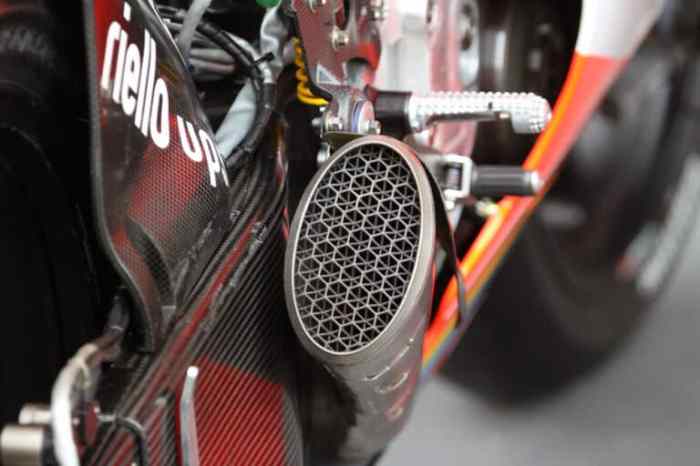
- Titanium: A popular choice due to its high strength-to-weight ratio, excellent heat resistance, and corrosion resistance. However, it’s also expensive.
- Carbon Fiber: Used in certain components, particularly the muffler, to further reduce weight. Carbon fiber offers exceptional strength-to-weight characteristics but requires careful design and manufacturing to withstand the extreme temperatures.
- Stainless Steel: While heavier than titanium, stainless steel is more cost-effective and offers good durability and heat resistance. It might be used in less critical areas of the system.
Advanced Technologies in MotoGP Exhaust Systems
MotoGP exhaust systems constantly evolve, incorporating advanced technologies to extract every ounce of performance:
- Computational Fluid Dynamics (CFD): CFD simulations are extensively used to optimize gas flow and pressure waves within the exhaust system. This allows engineers to virtually test different designs before physical prototyping, saving time and resources.
- Finite Element Analysis (FEA): FEA is used to analyze the stress and strain on the exhaust components under extreme operating conditions. This ensures that the system can withstand the high temperatures and pressures without failure.
- Active Exhaust Systems: Some experimental systems incorporate active valves that adjust the exhaust flow based on engine RPM and throttle position. This allows for even finer tuning of power delivery.
The Impact of the Exhaust System on Overall Performance
The exhaust system’s influence on a MotoGP bike’s overall performance is significant. An optimally designed system contributes to:
- Increased Horsepower and Torque: Improved scavenging and pressure wave management directly translate to increased engine power and torque.
- Enhanced Engine Response: A well-tuned exhaust system improves the engine’s responsiveness to throttle inputs, making the bike more agile and controllable.
- Improved Fuel Efficiency: While not the primary goal, a properly designed system can contribute to better fuel efficiency by optimizing the combustion process.
- Reduced Weight: The lighter the bike, the better its handling and acceleration. The use of lightweight materials in the exhaust system contributes significantly to this.
Frequently Asked Questions (FAQ)
- Q: Why are MotoGP exhaust systems so expensive? A: The high cost is due to the use of premium materials like titanium, the complex design and manufacturing processes, and the advanced technologies employed in their development.
- Q: What is the difference between a MotoGP exhaust and a standard motorcycle exhaust? A: MotoGP exhaust systems are far more sophisticated, utilizing advanced materials, designs, and technologies to maximize performance. Standard motorcycle exhausts prioritize cost-effectiveness and noise reduction over extreme performance gains.
- Q: How often are MotoGP exhaust systems changed? A: While the entire system is rarely replaced, slip-on mufflers are frequently changed to fine-tune performance for different tracks or conditions. The rest of the system is typically only replaced if damaged.
- Q: Can I buy a MotoGP exhaust system for my street bike? A: While you can purchase aftermarket exhaust systems for street bikes, they won’t be identical to MotoGP systems. The technology and materials used are significantly different, and a MotoGP exhaust system wouldn’t be legal or practical for road use.
- Q: How does the exhaust system contribute to the unique sound of a MotoGP bike? A: The combination of the engine’s high RPM, the design of the exhaust system’s components (headers, expansion chambers, resonators, and muffler), and the materials used all contribute to the distinctive and powerful sound of a MotoGP machine.
References
While specific manufacturer data is often proprietary, general information on exhaust system design and materials can be found in various engineering and motorsport publications. Search for terms like “exhaust system design,” “titanium exhaust,” and “motorcycle exhaust dynamics” in reputable engineering journals and websites.
Call to Action
Want to learn more about the intricate world of motorsport engineering? Explore our other articles on MotoGP technology and delve deeper into the fascinating details of these high-performance machines!
FAQ Overview
What materials are typically used in MotoGP exhaust systems?
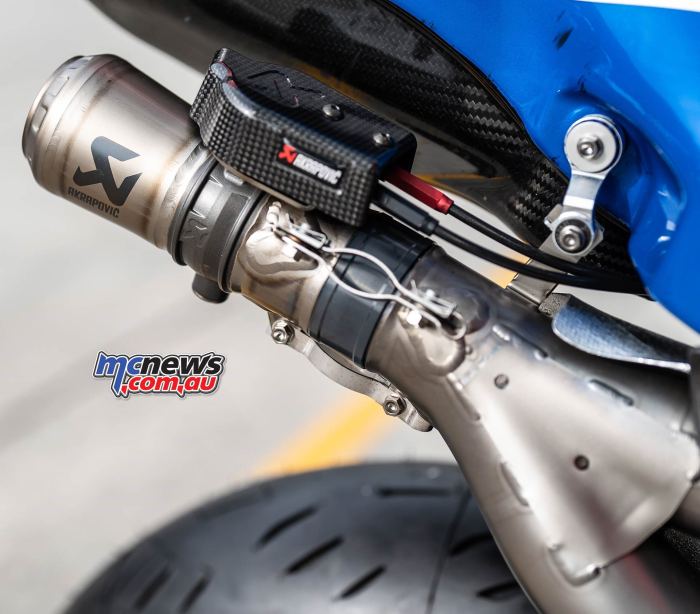
High-temperature alloys like titanium and carbon fiber are common, chosen for their lightweight and heat-resistant properties.
How do MotoGP exhaust systems impact engine performance?
They optimize exhaust gas flow, reducing back pressure and improving engine breathing, leading to increased horsepower and torque.
Are MotoGP exhaust systems street legal?
Generally, no. They are designed for racing and often don’t meet noise or emissions standards for road use.
What is the role of exhaust tuning in MotoGP?
Exhaust tuning is crucial for optimizing engine performance at different RPM ranges and track conditions. It involves adjusting parameters like pipe diameter and length.