
MotoGP quickshifters represent a significant technological advancement in motorcycle racing. These sophisticated systems allow riders to seamlessly shift gears without closing the throttle or using the clutch, resulting in faster lap times and improved overall performance. This enhanced control translates directly to a competitive edge on the track, where milliseconds can determine victory or defeat. Understanding the mechanics and benefits of these systems is crucial for appreciating the high-stakes world of professional motorcycle racing.
The technology behind MotoGP quickshifters is complex, involving sophisticated sensors, electronic control units, and actuators that work in concert to execute rapid and precise gear changes. Different manufacturers employ varying designs and algorithms, each striving for optimal speed and reliability under the extreme conditions of a MotoGP race. The impact on rider performance is undeniable, enabling them to maintain momentum and focus on track conditions, rather than the intricacies of gear shifting.
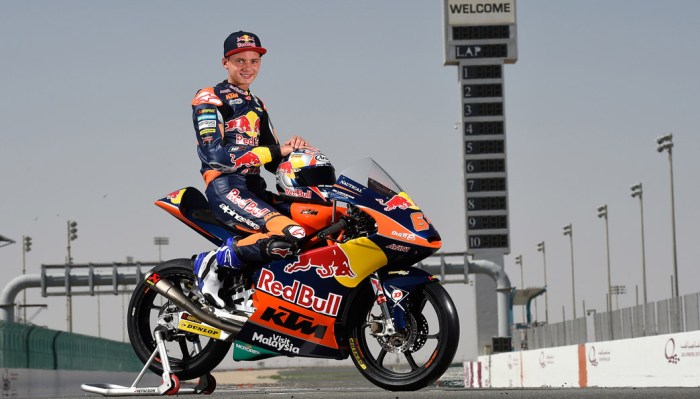
The roar of the engines, the smell of burning rubber, the breathtaking speeds – MotoGP is a spectacle of power and precision. And hidden within the heart of these magnificent machines is a crucial piece of technology that contributes significantly to rider performance and lap times: the quickshifter. This comprehensive guide delves into the intricacies of MotoGP quickshifters, exploring their functionality, types, benefits, and future trends.
We’ll cover everything from the basic principles to the advanced engineering behind these essential components.
What is a Quickshifter?
A quickshifter, also known as a quick shifter, is an electronic device that allows a motorcycle rider to shift gears without using the clutch. This is achieved by momentarily interrupting the engine’s ignition and/or fuel injection system during the upshift, allowing the gears to mesh smoothly without the need for the clutch lever. This seamless transition minimizes time loss during gear changes, leading to faster lap times and improved rider experience.
In MotoGP, where fractions of a second can mean the difference between victory and defeat, the quickshifter is an indispensable tool.
How Does a MotoGP Quickshifter Work?
The operation of a quickshifter involves a complex interplay of sensors, actuators, and the motorcycle’s electronic control unit (ECU). Here’s a breakdown of the process:
- Sensor Input: A sensor, typically a pressure sensor or a shift rod sensor, detects when the rider initiates an upshift by pressing the shift lever.
- ECU Processing: This information is relayed to the ECU, which then initiates a series of actions based on pre-programmed parameters such as engine speed, throttle position, and gear selection.
- Ignition/Fuel Cut: The ECU briefly interrupts the ignition and/or fuel injection, momentarily reducing engine torque. This allows the gears to synchronize smoothly, eliminating the need for clutch engagement.
- Gear Change: The rider completes the upshift, and the ECU restores the ignition and fuel injection to normal operating levels.
- Auto-Blip for Downshifts: Many modern quickshifters also incorporate auto-blipping for downshifts. This feature automatically adjusts the throttle to match the engine speed to the lower gear, resulting in smoother and controlled downshifts.
Types of Quickshifters
While the fundamental principle remains the same, there are variations in quickshifter designs and implementations. These differences often relate to the method of interrupting the engine’s power delivery and the level of sophistication in their control systems.
Clutchless Shifters vs. Assisted Shifters, MotoGP quickshifter
The distinction between clutchless and assisted shifters lies primarily in the level of clutch involvement. True clutchless systems eliminate clutch usage entirely, while assisted shifters might still use the clutch in certain situations (e.g., downshifts or under low-speed conditions).
Mechanical vs. Electronic Quickshifters
Older quickshifters were often mechanical systems, relying on physical linkages and mechanisms to interrupt the shift mechanism. Modern MotoGP quickshifters are predominantly electronic, offering greater precision, adjustability, and integration with the bike’s ECU. Electronic systems allow for sophisticated mapping and adjustments to suit different riding styles and track conditions.
Benefits of Using a Quickshifter in MotoGP
The advantages of employing a quickshifter in the high-stakes world of MotoGP are significant and contribute directly to improved performance and competitiveness:
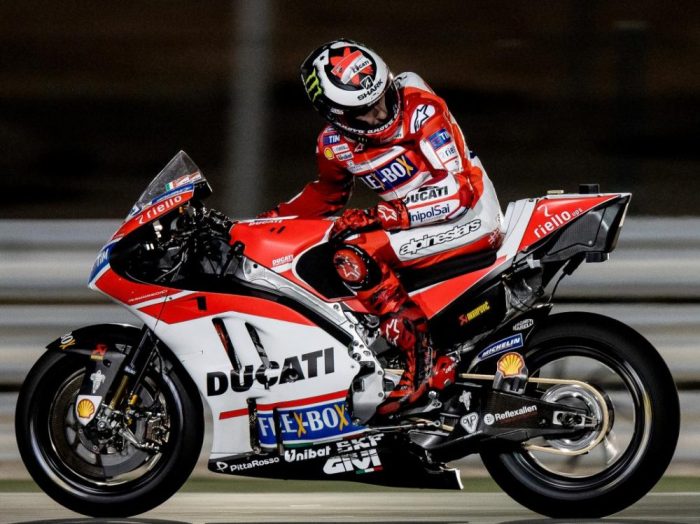
- Faster Lap Times: Eliminating the need to use the clutch during upshifts saves valuable milliseconds, cumulatively resulting in substantial improvements in lap times.
- Improved Rider Focus: By removing the need for clutch operation, the rider can concentrate on other aspects of riding, such as braking, corner entry, and throttle control.
- Reduced Rider Fatigue: The repetitive action of using the clutch can lead to rider fatigue, particularly during long races. A quickshifter reduces this strain, allowing riders to maintain consistency and performance.
- Enhanced Safety: In high-speed situations, the smooth gear transitions provided by a quickshifter can contribute to improved stability and control, reducing the risk of accidents.
- Better Consistency: Quickshifters provide consistent gear changes regardless of rider input, ensuring predictable performance throughout the race.
Advanced Features and Technology
Modern MotoGP quickshifters incorporate advanced technologies to optimize performance and adapt to various riding conditions. These include:
- Adaptive Algorithms: Sophisticated algorithms constantly monitor various parameters and adjust the quickshifter’s operation accordingly, ensuring optimal performance across different engine speeds, throttle positions, and track conditions.
- Traction Control Integration: Many quickshifters are integrated with the motorcycle’s traction control system, allowing for coordinated adjustments to maintain optimal traction and stability during gear changes.
- Adjustable Settings: Riders can often customize various quickshifter parameters, such as the intensity of the ignition/fuel cut, to fine-tune the system to their preferences and riding style.
- Data Logging and Analysis: Data from the quickshifter can be logged and analyzed to provide valuable insights into rider performance and identify areas for improvement.
The Future of MotoGP Quickshifters
The evolution of quickshifters continues, driven by the relentless pursuit of improved performance and efficiency. Future developments may include:
- Artificial Intelligence (AI): AI-powered quickshifters could learn and adapt to a rider’s specific style and preferences, providing even more precise and customized gear changes.
- Improved Sensor Technology: Advances in sensor technology could lead to more accurate and responsive quickshifters, resulting in smoother and faster gear transitions.
- Seamless Integration with Other Systems: Further integration with other electronic rider aids, such as traction control, launch control, and anti-wheelie systems, could create a more holistic and optimized riding experience.
Frequently Asked Questions (FAQ)
- Q: Are quickshifters legal in all racing classes? A: Yes, quickshifters are generally permitted in most major motorcycle racing classes, including MotoGP.
- Q: Can quickshifters be used on street bikes? A: Yes, aftermarket quickshifters are available for many street bikes, although they may require professional installation and tuning.
- Q: Are quickshifters difficult to learn to use? A: Most riders find quickshifters relatively easy to learn, although mastering their use under various conditions takes practice and experience.
- Q: How much do quickshifters cost? A: The cost of a quickshifter varies depending on the brand, model, and features. Aftermarket units can range from a few hundred to over a thousand dollars.
- Q: Can quickshifters damage the motorcycle? A: Improperly installed or configured quickshifters can potentially damage the motorcycle’s transmission. Professional installation and setup are recommended.
References
While specific MotoGP team technical details are often proprietary, general information on quickshifters and related technologies can be found through reputable sources such as:
- MotoGP.com (Official MotoGP website)
- Various motorcycle magazines and technical publications (search for “quickshifter technology”)
- Manufacturer websites of aftermarket quickshifter systems (e.g., Dynojet, HealTech)
Call to Action
Want to learn more about the intricate technology behind MotoGP’s cutting-edge machines? Explore our other articles on motorcycle technology and racing innovations! Subscribe to our newsletter for the latest updates and insights into the thrilling world of motorcycle racing.
FAQ
What are the different types of MotoGP quickshifters?
There are primarily two types: auto-blippers (using electronic control to manage throttle and engine braking during downshifts) and seamless shifters (allowing upshifts and downshifts without interruption).
How much does a MotoGP quickshifter cost?
Prices vary greatly depending on the brand and features, ranging from several hundred to several thousand dollars.
Are MotoGP quickshifters legal in all racing classes?
Regulations vary by racing class and governing body. Check the specific rules for the class you are interested in.
Can I install a quickshifter on my street bike?
Yes, aftermarket quickshifters are available for many street bikes, but professional installation is often recommended.